
Livestock thinker and philosopher, Johann Zietsman, eloquently stated: “Fat is an essential component of sustainable profitability. You can either breed fat into cattle or feed fat into cattle. If you breed cattle to feed them, you will have to feed cattle to breed them.”
High inherent body condition, or easy fleshing ability, is the cornerstone of fertility. Hormonally balanced animals with high inherent body condition are fertile. These two traits are both highly heritable which, logically, makes fertility highly heritable – if measured correctly.
Excessive feeding of sale or show cattle will reverse hormonal balance and cause subfertility. This includes young bulls that are developed on grain.
In the North American context, by 20-22 months of age, the bulls need to be working, the heifers need to be bred, and the steers need to be dead. This is an expensive exercise if dealing with lean, large-frame, late-maturing phenotypes.
There are several positive traits which correlate with high inherent body condition.
- These cattle are earlier maturing.
- The bulls are fertile at a younger age.
- The females reach estrous at a younger age.
- They are genetically more fertile.
- They are non-selective grazers.
- They have more even dispositions (better natured cattle).
- When the steak hits the plate, it’s a better eating experience.
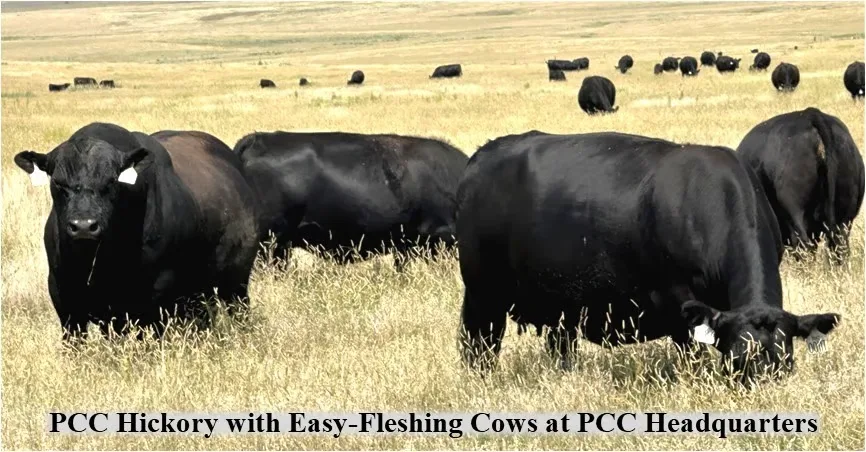
In summary… early-maturing, easy-fleshing PCC® cattle are the most profitable for producers in the cow/calf sector. Lean, late-maturing cattle are the most profitable for the feeders, packers, and processors.
Quote Worth Re-Quoting
“The bad thing about the frame score race is that it causes all breeds to become terminal breeds.” ~ Professor John Massey (inventor of the frame score)
Share this Post